Wildfires and Crops
Crops are highly vulnerable to wildfires. The loss of crops during fires means a loss of way of life and causes economic repercussions for many farmers across Canada.
Crops are highly vulnerable to wildfires. The loss of crops during fires means a loss of way of life and causes economic repercussions for many farmers across Canada.
Wildfires and Plant Growth
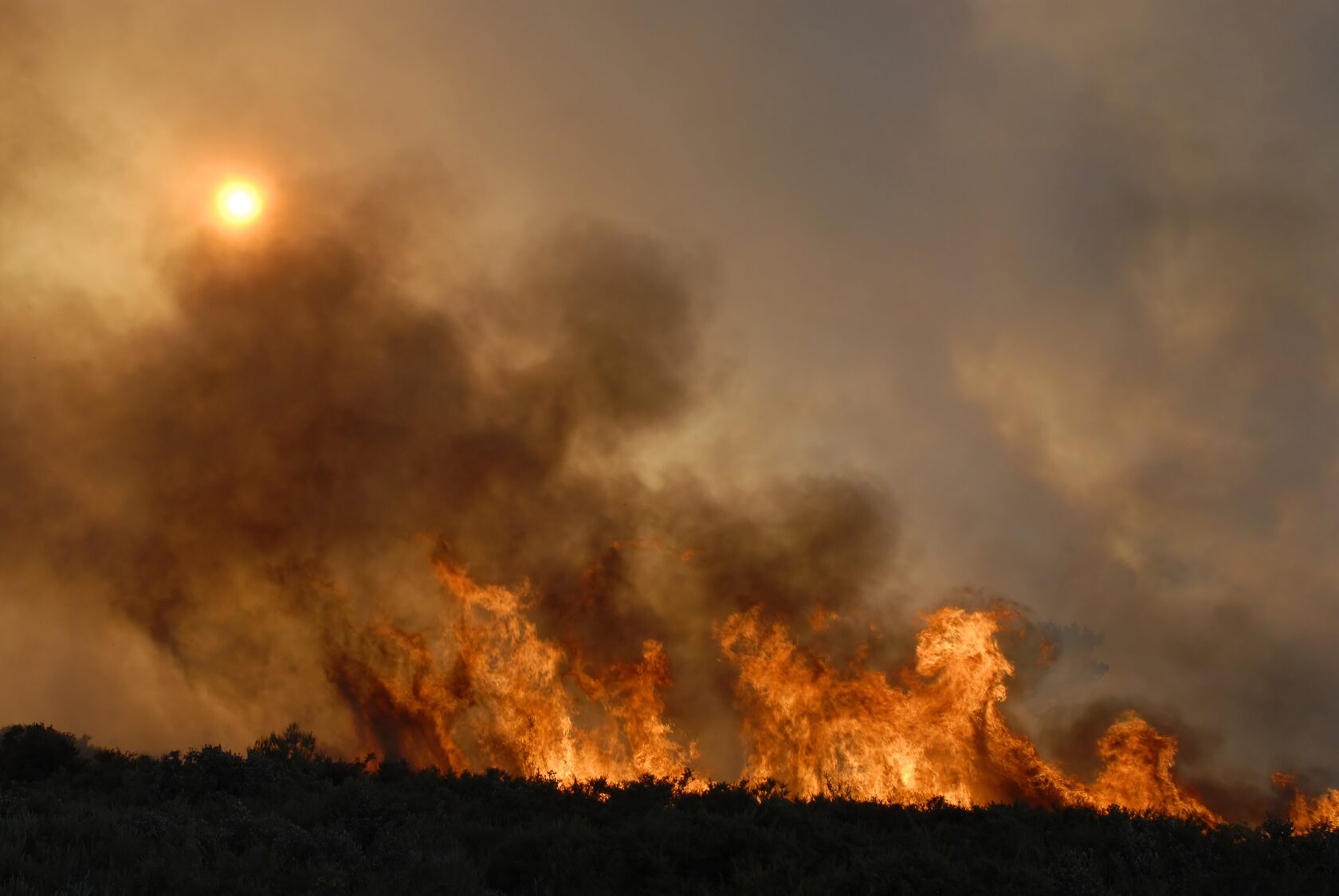
Wildfires stunt plant growth and maturity. The smoke from wildfires clouds the skies, preventing plants from absorbing enough sunlight to properly photosynthesize and mature. According to Linda Gorim, an assistant professor at the University of Alberta, a lack of available light reduces photosynthesis by up to 50%. Furthermore, smoke emits carbon dioxide which often includes vaporous organic compounds that combine with nitrogen dioxide in the air to produce ozone. This harmful chemical is then absorbed by crops, destroying chlorophyll (a pigment that absorbs sunlight and turns it into energy and consequently negatively impacting crop production. Ash from wildfires may also settle on plants and block stomata pores, hindering the exchange of vital gasses and ability to effectively absorb carbon dioxide.
Wildfires stunt plant growth and maturity. The smoke from wildfires clouds the skies, preventing plants from absorbing enough sunlight to properly photosynthesize and mature. According to Linda Gorim, an assistant professor at the University of Alberta, a lack of available light reduces photosynthesis by up to 50%. Furthermore, smoke emits carbon dioxide which often includes vaporous organic compounds that combine with nitrogen dioxide in the air to produce ozone. This harmful chemical is then absorbed by crops, destroying chlorophyll (a pigment that absorbs sunlight and turns it into energy and consequently negatively impacting crop production. Ash from wildfires may also settle on plants and block stomata pores, hindering the exchange of vital gasses and ability to effectively absorb carbon dioxide.

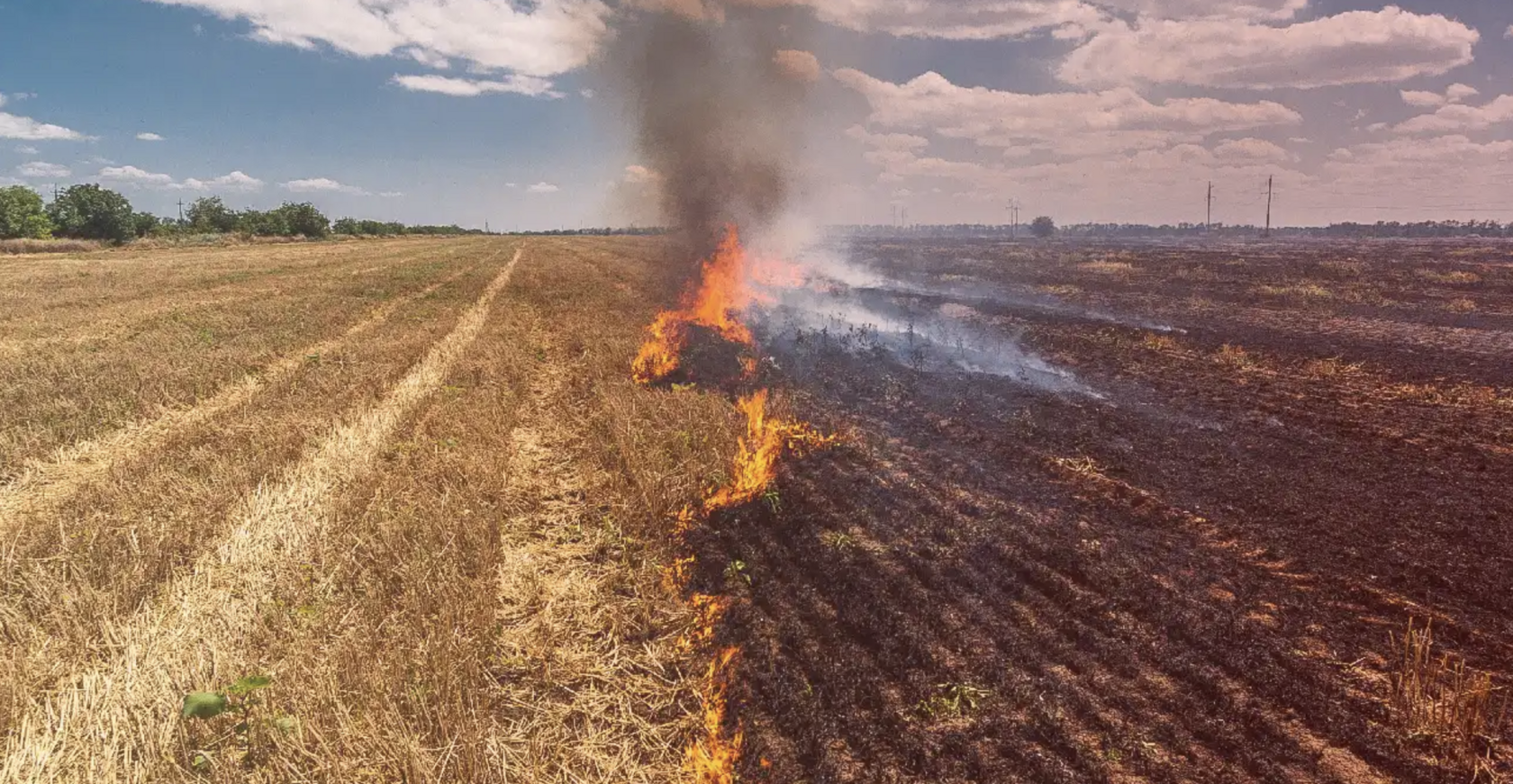
After a wildfire, soil can take decades to regenerate. This is because wildfires may burn organic matter in the soil, releasing nutrients such as nitrogen, phosphorus, and potassium into the atmosphere. Soil structure is also disrupted, increasing erosion. These consequences deplete soil fertility and decrease agricultural productivity.
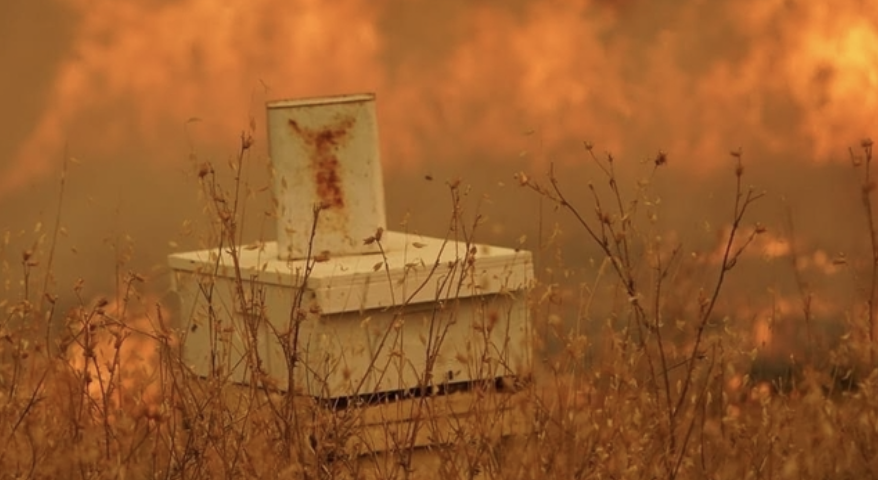
Finally, wildfires rapidly wipe out bee populations, decreasing the opportunity for crops to reproduce and thrive after a fire.