Wildfire Notices
When the public is notified of a wildfire, there are two types of messages that can be received:
These tools are incredibly helpful to those across the country who find themselves in the path of a wildfire. However, it is essential to look into the future at the wildfire messages that climate change is sending us.
These tools are incredibly helpful to those across the country who find themselves in the path of a wildfire. However, it is essential to look into the future at the wildfire messages that climate change is sending us.
How Is Climate Change Affecting Wildfires in Canada?
Evacuation Alert
“Be ready to leave on short notice”
“Be ready to leave on short notice”
Evacuation Order
“You are at risk. Leave the area immediately”
“You are at risk. Leave the area immediately”
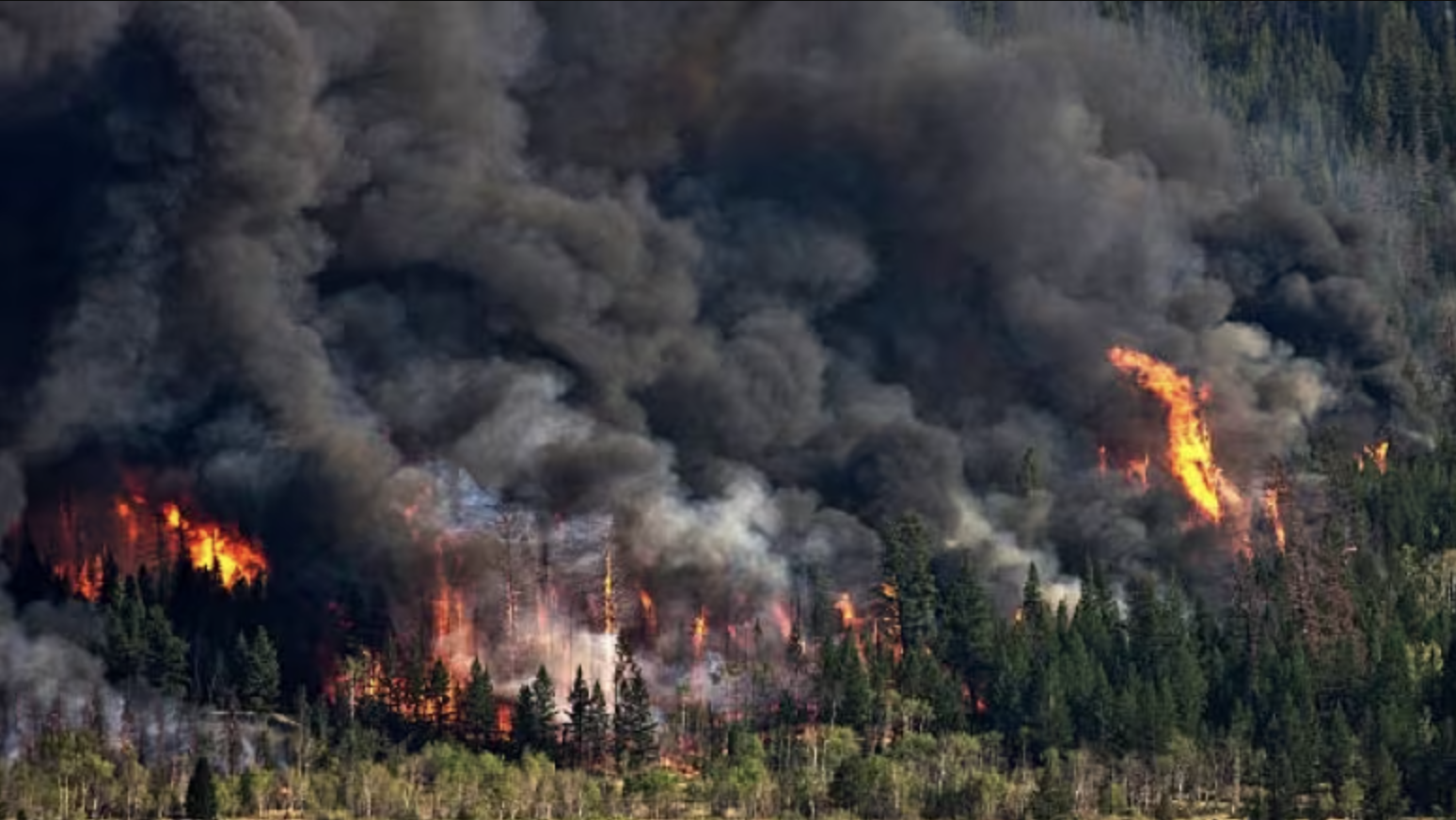
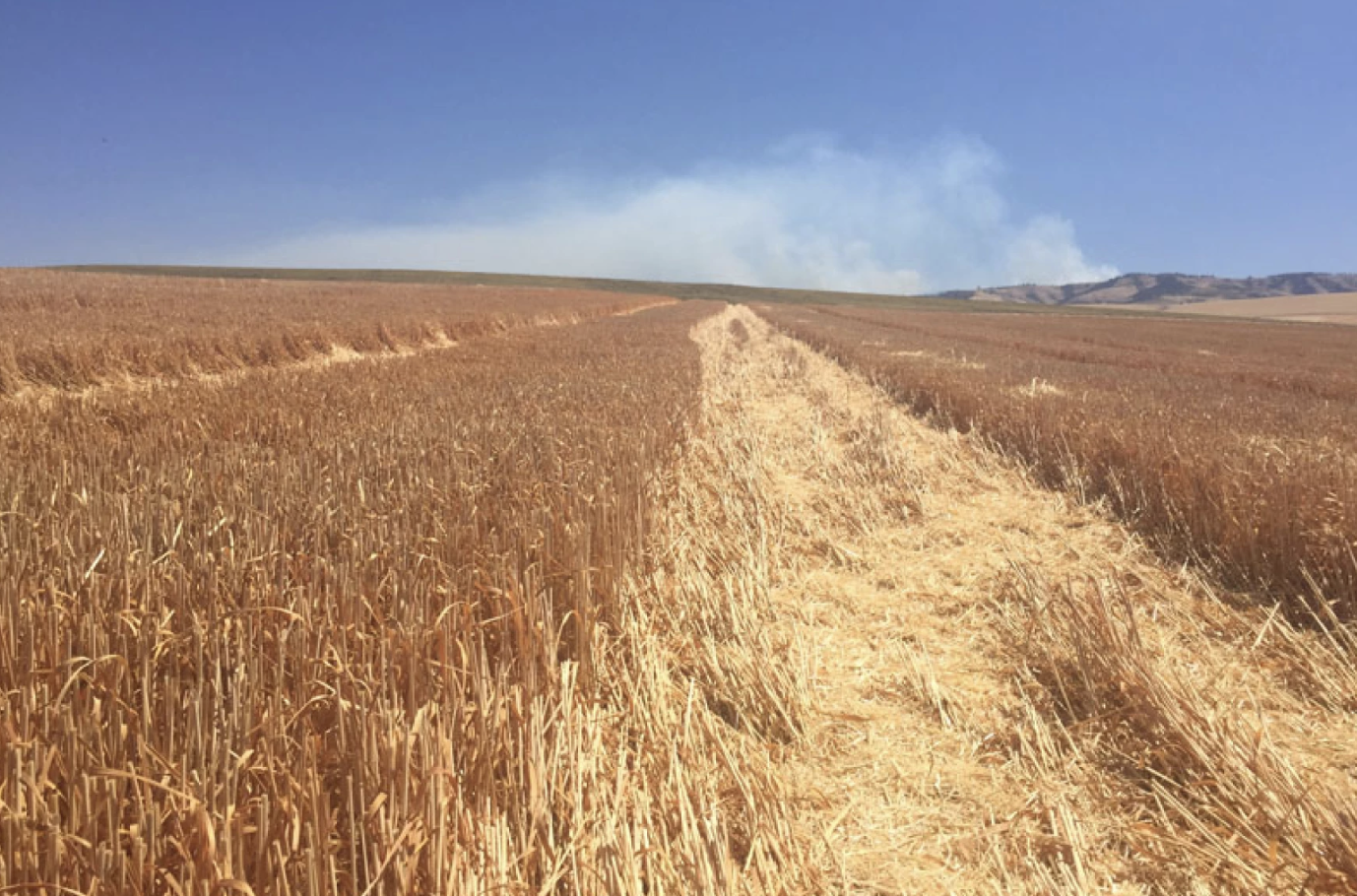
While forest fires can be naturally occurring, climate change increases their frequency and severity. In 2023, British Columbia’s fire season was the most destructive yet, with over 2.84 million hectares of forest and land destroyed. The Canadian fire season typically lasts from May through September, however according to Natural Resources Canada, the fire season will get longer in the future as the effects of climate change show an increase in global temperature and number of hot, dry days in Canada. Hot days mean dry days, and dry days mean dry vegetation- in other words, dry days create large zones of forest fire fuel that quickly ignite and can promote combustion for long periods of time, resulting in extreme forest fires.
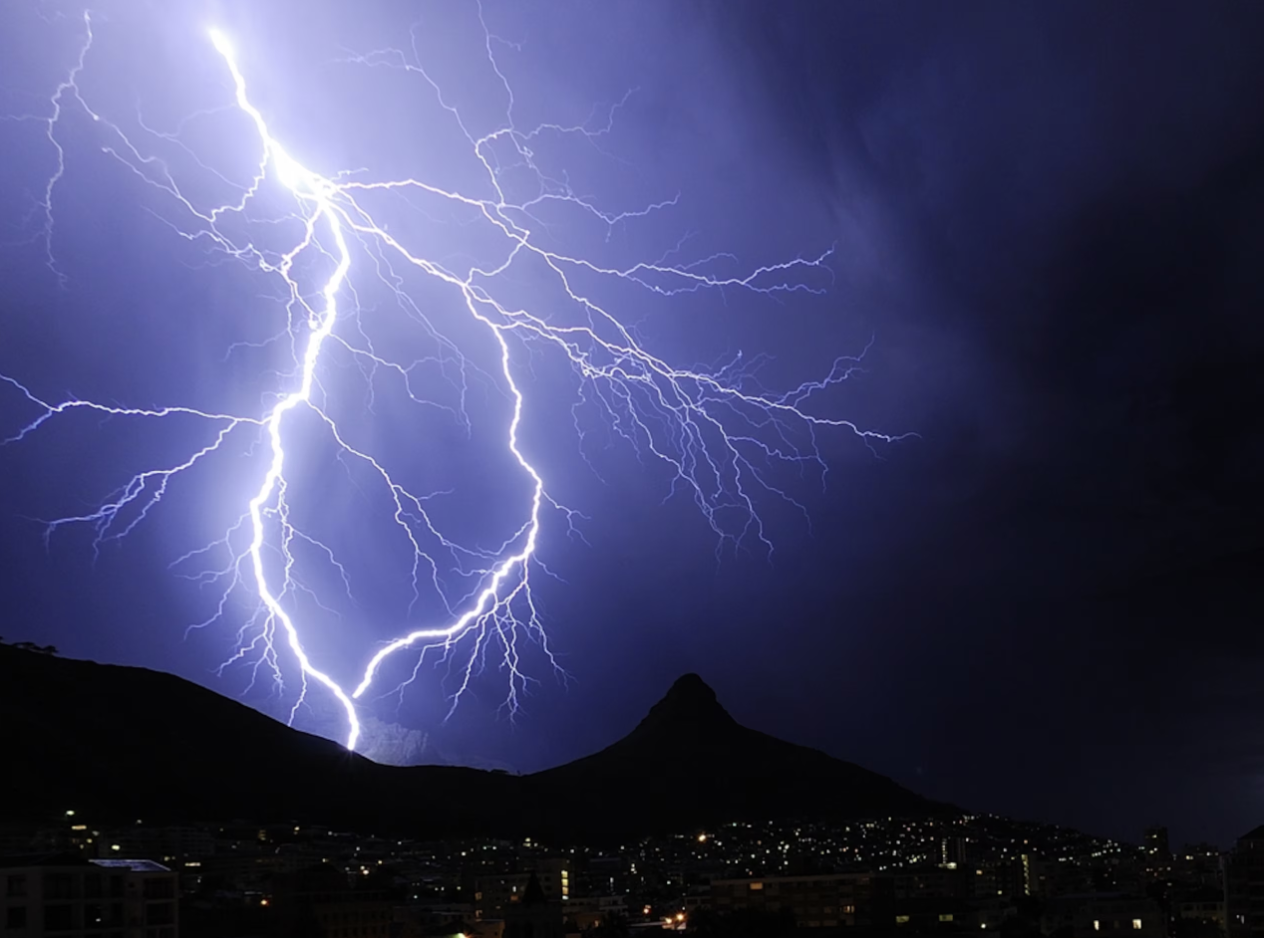
Other than dry vegetation, according to GreenPeace nearly half of wildfires in Canada are started by lightning. Elevated temperatures caused by climate change increase the frequency of lightning storms. In fact, according to GreenPeace, by the end of this century, lightning strikes in Canada are predicted to increase by 80%, therefore amplifying the likelihood of wildfires starting.
Other than dry vegetation, according to GreenPeace nearly half of wildfires in Canada are started by lightning. Elevated temperatures caused by climate change increase the frequency of lightning storms. In fact, according to GreenPeace, by the end of this century, lightning strikes in Canada are predicted to increase by 80%, therefore amplifying the likelihood of wildfires starting.
The Impact of Wildfires on Climate Change
Forests are carbon dioxide sinks, meaning they absorb carbon dioxide released by Canadians when fossil fuels are burned. However, when a forest burns in a wildfire, that carbon dioxide is released back into the atmosphere, which contributes to accelerating climate change.
According to the Copernicus Atmosphere Monitoring Service, last year Canada’s wildfires released 160 megatonnes of carbon emissions between the months of May and June, setting the record for the highest annual total for the country in 21 years. By the end of 2023, it was predicted that the year’s wildfires would have doubled Canada’s climate emissions, outweighing emissions from Canada’s oil and gas, transport, and agriculture sectors combined.
According to the Copernicus Atmosphere Monitoring Service, last year Canada’s wildfires released 160 megatonnes of carbon emissions between the months of May and June, setting the record for the highest annual total for the country in 21 years. By the end of 2023, it was predicted that the year’s wildfires would have doubled Canada’s climate emissions, outweighing emissions from Canada’s oil and gas, transport, and agriculture sectors combined.
Climate change impacts wildfires, and the opposite is true too.